

Fitness success is not determined by exercise alone. In fact, The Role of Nutrition in Achieving Fitness Goals is often the deciding factor between average results and exceptional progress. Whether your objective is weight loss, muscle gain, endurance improvement, or overall wellness, proper nutrition provides the fuel your body needs to perform and recover effectively.
Many people spend hours in the gym but overlook the importance of what they eat. A balanced diet supports energy production, muscle repair, fat loss, and long-term health. Without adequate nutrition, even the most well-designed workout program may fail to deliver desired outcomes.
Understanding The Role of Nutrition in Achieving Fitness Goals can help you make informed dietary choices that complement your training efforts and maximize your results. This comprehensive guide explores how nutrition impacts fitness performance, recovery, body composition, and overall health.
Understanding The Role of Nutrition in Achieving Fitness Goals
For fitness enthusiasts, nutrition serves as the foundation for energy, recovery, muscle growth, and physical performance.
The body requires a combination of:
- Macronutrients (protein, carbohydrates, and fats)
- Micronutrients (vitamins and minerals)
- Water and hydration
Each nutrient plays a specific role in supporting fitness objectives and overall health.
When nutrition aligns with your fitness goals, your body performs more efficiently and recovers faster from physical activity.
Why Nutrition Is Essential for Fitness Success
Many people focus heavily on exercise while neglecting their dietary habits.
Provides Energy for Workouts
Carbohydrates are the body’s primary source of energy during exercise. Adequate carbohydrate intake ensures optimal performance during strength training, cardio workouts, and sports activities.
Without sufficient fuel, you may experience:
- Fatigue
- Reduced endurance
- Poor concentration
- Lower workout intensity
Supports Muscle Growth and Repair
Protein is essential for muscle recovery and development. During exercise, muscle fibers experience microscopic damage. Protein helps repair these fibers and supports muscle growth.
Good protein sources include:
- Chicken breast
- Fish
- Eggs
- Greek yogurt
- Lentils
- Beans
- Tofu
Promotes Faster Recovery
A nutritious post-workout meal replenishes glycogen stores and accelerates muscle recovery. Proper nutrition reduces soreness and prepares the body for future training sessions.
Key Macronutrients for Fitness Goals
Protein: The Building Block of Muscle
Protein is often considered the most important nutrient for active individuals.
Benefits include:
- Muscle growth
- Muscle repair
- Reduced muscle breakdown
- Increased satiety
Recommended sources:
- Lean meats
- Fish
- Dairy products
- Plant-based proteins
- Protein supplements
Carbohydrates: The Body’s Primary Fuel Source
Carbohydrates provide the energy needed for physical activity.
Healthy carbohydrate options include:
- Oats
- Brown rice
- Sweet potatoes
- Fruits
- Whole grains
- Quinoa
Athletes and active individuals often require higher carbohydrate intake to maintain performance levels.
Healthy Fats: Essential for Overall Health
Healthy fats support:
- Hormone production
- Joint health
- Brain function
- Energy storage
Excellent fat sources include:
- Avocados
- Nuts
- Seeds
- Olive oil
- Fatty fish
How Nutrition Impacts Different Fitness Goals
Nutrition for Weight Loss
Individuals seeking weight loss must create a calorie deficit while maintaining adequate nutrient intake.
Key strategies include:
- Prioritizing protein-rich foods
- Choosing high-fiber meals
- Limiting processed foods
- Staying hydrated
Balanced nutrition helps preserve muscle mass while reducing body fat.
Nutrition for Muscle Gain
Building muscle requires a calorie surplus combined with strength training.
Important considerations:
- Higher protein intake
- Sufficient carbohydrates
- Consistent meal timing
- Adequate recovery nutrition
Nutrition for Endurance Training
Endurance athletes require additional carbohydrates to sustain prolonged physical activity.
Focus areas include:
- Glycogen replenishment
- Electrolyte balance
- Hydration strategies
- Recovery meals
Nutrition for General Fitness
People pursuing overall wellness benefit from a balanced diet that includes a variety of nutrient-dense foods.
Goals should include:
- Stable energy levels
- Healthy body composition
- Improved immunity
- Long-term health maintenance
The Importance of Meal Timing
Meal timing can significantly affect performance and recovery.
Pre-Workout Nutrition
A balanced pre-workout meal should provide energy without causing digestive discomfort.
Ideal foods include:
- Oatmeal
- Bananas
- Whole-grain toast
- Greek yogurt
Consume meals approximately 1–3 hours before exercise.
Post-Workout Nutrition
Post-workout nutrition helps repair muscles and replenish energy stores.
A recovery meal should include:
- Protein
- Carbohydrates
- Fluids
Examples:
- Grilled chicken with rice
- Protein shake with fruit
- Eggs and whole-grain toast
Daily Nutrient Distribution
Consuming balanced meals throughout the day supports consistent energy and muscle protein synthesis.
Hydration: A Critical Component of Fitness Nutrition
Hydration is often overlooked despite its importance.
Water supports:
- Nutrient transportation
- Temperature regulation
- Muscle function
- Recovery processes
Signs of dehydration include:
- Fatigue
- Headaches
- Dizziness
- Reduced performance
Active individuals should increase fluid intake based on activity levels and environmental conditions.
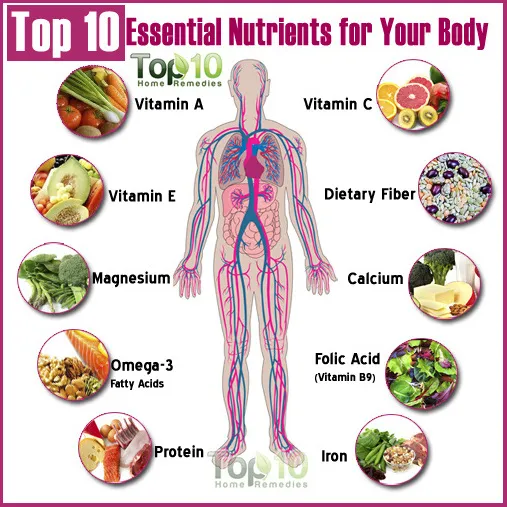
Micronutrients and Their Role in Fitness
Vitamin D
Supports:
- Bone health
- Muscle function
- Immune health
Iron
Essential for oxygen transport and endurance performance.
Low iron levels can lead to fatigue and reduced exercise capacity.
Magnesium
Supports:
- Muscle contractions
- Energy production
- Recovery
Calcium
Important for:
- Bone strength
- Muscle function
- Nerve signaling
A varied diet typically provides sufficient micronutrients for most individuals.
Common Nutrition Mistakes That Hinder Fitness Progress
Skipping Meals
Skipping meals can reduce energy levels and impair workout performance.
Not Eating Enough Protein
Insufficient protein intake may slow muscle recovery and growth.
Overconsuming Processed Foods
Highly processed foods often contain excess calories and limited nutritional value.
Ignoring Hydration
Even mild dehydration can negatively impact physical performance.
Following Extreme Diets
Restrictive diets may lead to nutrient deficiencies and unsustainable habits.
Practical Nutrition Tips for Achieving Fitness Goals
Plan Meals in Advance
Meal planning helps maintain consistency and prevents unhealthy food choices.
Prioritize Whole Foods
Track Nutrient Intake
Monitoring food intake can improve awareness and accountability.
Adjust Nutrition Based on Goals
Different fitness objectives require different dietary approaches.
Benefits of Proper Nutrition for Fitness
When combined with regular exercise, proper nutrition offers numerous advantages:
- Increased energy levels
- Better athletic performance
- Faster recovery
- Improved body composition
- Stronger immune function
- Enhanced mental focus
- Reduced injury risk
- Long-term health benefits
These outcomes highlight The Role of Nutrition in Achieving Fitness Goals and demonstrate why nutrition should never be overlooked.
Important Keywords People Search for on Google Related to Nutrition and Fitness
To strengthen SEO relevance, include these related keywords naturally throughout your website:
- Nutrition for fitness
- Healthy eating for athletes
- Best diet for muscle gain
- Weight loss nutrition plan
- Sports nutrition guide
- Macronutrients for fitness
- Pre-workout nutrition
- Post-workout meal ideas
- Fitness meal planning
- Protein intake for muscle growth
- Nutrition and exercise performance
- Healthy diet for active lifestyle
- Fitness nutrition tips
- Fat loss nutrition strategy
- Balanced diet for fitness goals
Frequently Asked Questions (FAQs)
1. Why is nutrition important for fitness goals?
Nutrition provides the energy and nutrients needed for performance, recovery, muscle growth, and overall fitness success.
2. How much protein do I need to build muscle?
Most active individuals benefit from consuming approximately 1.6–2.2 grams of protein per kilogram of body weight daily.
3. What should I eat before a workout?
A combination of carbohydrates and moderate protein, such as oatmeal with fruit or yogurt, can provide sustained energy.
4. Does hydration affect workout performance?
Yes. Proper hydration supports endurance, strength, recovery, and overall physical performance.
5. Can I achieve fitness goals without a proper diet?
Exercise helps, but nutrition plays a major role in determining fitness outcomes. Poor dietary habits can limit progress significantly.
Image SEO Optimization
Suggested Image File Name
the-role-of-nutrition-in-achieving-fitness-goals.jpg
Suggested ALT Text
The Role of Nutrition in Achieving Fitness Goals through healthy eating and balanced fitness nutrition
Image Title
Nutrition and Fitness Success
Image Caption
Proper nutrition provides the fuel needed to achieve fitness goals and improve overall performance.
Conclusion
Understanding The Role of Nutrition in Achieving Fitness Goals is essential for anyone seeking lasting health and fitness results. Nutrition fuels workouts, supports recovery, enhances performance, and helps individuals achieve specific objectives such as weight loss, muscle gain, or endurance improvement.
By focusing on balanced meals, proper hydration, quality nutrients, and consistent eating habits, you can maximize the effectiveness of your fitness program. Exercise and nutrition work together, and neither should be ignored.
Start implementing healthier dietary habits today and experience firsthand how The Role of Nutrition in Achieving Fitness Goals can transform your performance, recovery, and overall well-being.
