

Why the Best Practices for Managing and Promoting Your Blog Content Matter
Blogging is no longer just about writing. It’s about:
-
Content strategy
-
Search engine optimization (SEO)
-
Content repurposing
-
Audience engagement
-
Performance tracking
When you follow the Best Practices for Managing and Promoting Your Blog Content, you:
-
Improve search engine rankings
-
Increase blog traffic
-
Reduce bounce rate
-
Boost conversions
-
Build brand authority
Ignoring management and promotion leads to outdated posts, broken links, poor rankings, and missed opportunities.
H2: Best Practices for Managing and Promoting Your Blog Content
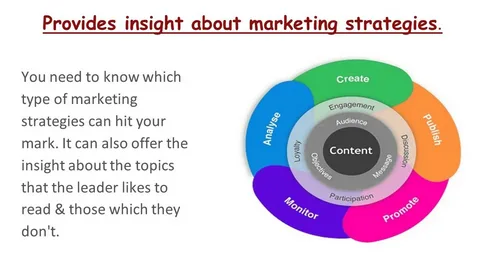
Let’s break this into two major sections: content management and content promotion.
H3: 1. Build a Smart Content Management System
A structured content system keeps your blog organized and scalable.
Use a Content Calendar
A content calendar helps you:
-
Maintain publishing consistency
-
Plan seasonal content
-
Align posts with marketing campaigns
-
Avoid duplication
Use tools like Trello, Notion, or a spreadsheet to track:
-
Topic
-
Target keyword
-
Publish date
-
Status
-
Promotion plan
Consistency is one of the most overlooked Best Practices for Managing and Promoting Your Blog Content.
Optimize Every Post for SEO
Search engine optimization is non-negotiable.
Focus on:
-
Keyword research
-
Proper H1, H2, H3 structure
-
Meta title & meta description
-
Internal linking
-
External authority links
-
Image ALT tags
-
Schema markup
Use tools like Google Search Console to monitor indexing issues and keyword performance.
For deeper SEO knowledge, consider linking to authoritative resources like Moz in relevant articles.
SEO is a foundational part of the Best Practices for Managing and Promoting Your Blog Content.
Update and Refresh Old Blog Posts
Content decay is real.
Older posts lose rankings over time unless you:
-
Update statistics
-
Add new sections
-
Improve keyword targeting
-
Refresh internal links
-
Optimize for new search intent
Updating content is often faster than creating new content — and it delivers faster ranking improvements.
Organize Blog Categories and Tags Properly
Poor blog structure confuses both readers and search engines.
Best practices include:
-
Clear categories (5–10 max)
-
Minimal tag duplication
-
Logical URL structure
-
Breadcrumb navigation
This improves crawlability and user experience — critical components of the Best Practices for Managing and Promoting Your Blog Content.
Advanced Strategies for Promoting Your Blog Content
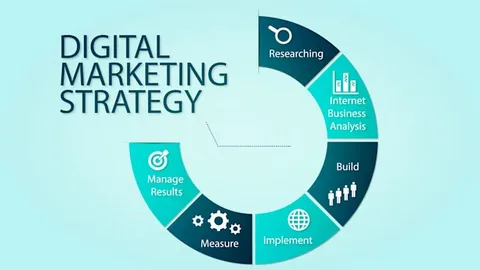
Now let’s discuss promotion.
Publishing without promotion is like opening a store in the desert.
Leverage Social Media Platforms
Different platforms serve different purposes:
-
LinkedIn → Professional content
-
Instagram → Visual snippets
-
Pinterest → Evergreen blog traffic
-
Twitter/X → Thought leadership
-
Facebook Groups → Community building
Repurpose blog posts into:
-
Carousels
-
Short videos
-
Infographics
-
Quote graphics
Promotion amplifies the Best Practices for Managing and Promoting Your Blog Content by increasing reach.
Build an Email Marketing Funnel
Email marketing provides direct access to your audience.
Best practices:
-
Offer a lead magnet
-
Segment your audience
-
Send weekly newsletters
-
Automate welcome sequences
Email subscribers convert higher than cold traffic. Managing your list properly supports long-term blog growth.
H3: 7. Repurpose Content for Maximum Exposure
Repurposing saves time and expands reach.
Turn:
-
Blog posts → YouTube videos
-
Blog posts → Podcast episodes
-
Blog posts → LinkedIn articles
-
Blog posts → Twitter threads
You can publish videos on platforms like YouTube to capture video-based search traffic.
Repurposing is one of the most powerful Best Practices for Managing and Promoting Your Blog Content.
H3: 8. Use Internal Linking Strategically
Internal linking:
-
Improves SEO
-
Reduces bounce rate
-
Distributes page authority
-
Increases time on site
Internal Link Anchor Text Idea:
“Complete Guide to Blog SEO Optimization”
Link this anchor text to a detailed SEO guide on your website.
Internal linking strengthens topical authority and supports the Best Practices for Managing and Promoting Your Blog Content.
H3: 9. Collaborate with Other Bloggers
Guest posting and collaborations help:
-
Expand reach
-
Build backlinks
-
Increase authority
-
Drive referral traffic
Find bloggers in your niche and propose:
-
Guest posts
-
Expert roundups
-
Podcast interviews
Backlinks remain one of Google’s strongest ranking factors.
H3: 10. Track Analytics and Performance Metrics
You cannot improve what you don’t measure.
Track:
-
Organic traffic
-
Click-through rate
-
Bounce rate
-
Conversion rate
-
Keyword rankings
Use analytics dashboards to identify:
-
Top-performing posts
-
Underperforming posts
-
Content gaps
Performance tracking ensures your Best Practices for Managing and Promoting Your Blog Content evolve with data.
Important Related Keywords People Search on Google
To strengthen SEO, incorporate these first-page related terms naturally:
-
Blog content strategy
-
Content marketing tips
-
How to promote blog posts
-
Increase blog traffic fast
-
SEO content optimization
-
Blog promotion strategies
-
Content distribution channels
-
Evergreen content marketing
-
On-page SEO checklist
-
Content repurposing strategy
These support semantic SEO and improve topic authority.
Image Optimization Suggestions
Image File Name:
best-practices-for-managing-and-promoting-your-blog-content.jpg
ALT Text:
Best Practices for Managing and Promoting Your Blog Content strategy workflow
Optimized images improve page speed and search visibility.
Frequently Asked Questions (FAQs)
1. What are the Best Practices for Managing and Promoting Your Blog Content?
They include content planning, SEO optimization, regular updates, strategic promotion, email marketing, repurposing, and performance tracking.
2. How often should I update blog content?
Review top-performing posts every 6–12 months. Update statistics, keywords, and internal links to maintain rankings.
3. What is the best way to promote blog posts?
Use a combination of social media marketing, email newsletters, guest posting, internal linking, and content repurposing.
4. How can I increase blog traffic organically?
Focus on SEO optimization, keyword research, high-quality content, backlinks, and user experience improvements.
5. Is content repurposing important?
Yes. Repurposing expands your reach across multiple platforms and increases ROI without creating new content from scratch.
