

How Regular Fitness Activities Can Improve Your Quality of Life
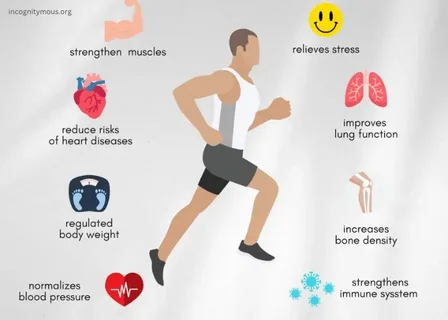
Understanding how regular fitness activities can improve your quality of life starts with recognizing that exercise affects more than just your muscles. It enhances your heart, brain, immune system, and even your social relationships.
1. Improves Physical Health and Longevity
One of the most searched health topics on Google is “how to live longer naturally.” The answer consistently includes regular exercise.
Fitness activities help:
-
Strengthen the heart
-
Improve blood circulation
-
Reduce high blood pressure
-
Lower bad cholesterol (LDL)
-
Increase good cholesterol (HDL)
-
Manage blood sugar levels
According to guidelines from the Centers for Disease Control and Prevention, consistent exercise reduces the risk of heart disease, stroke, type 2 diabetes, and certain cancers.
Oxygen flows better. Organs function optimally. You reduce inflammation. Over time, this leads to increased lifespan and improved daily functioning.
2. Enhances Mental Health and Emotional Well-Being
Another popular search term is “exercise for mental health.” That’s because people are realizing how powerful movement is for the mind.
Physical activity:
-
Releases endorphins (feel-good hormones)
-
Reduces stress hormones like cortisol
-
Decreases anxiety and depression symptoms
-
Improves sleep quality
-
Boosts self-esteem
Even 30 minutes of brisk walking can significantly improve mood. Exercise acts as a natural antidepressant without side effects.
Regular workouts also create structure and routine, which is especially helpful for people dealing with stress or emotional instability.
The Physical Benefits of Regular Exercise on Daily Life
Increased Energy Levels
It may sound counterintuitive, but expending energy through exercise actually gives you more energy. Regular fitness improves cardiovascular efficiency, meaning your heart and lungs work better. This reduces fatigue and increases stamina throughout the day.
Instead of relying on caffeine, regular physical activity becomes your natural energy booster.
Better Sleep Quality
If you search “how to sleep better at night naturally,” exercise frequently appears in the results.
Regular fitness:
-
Helps you fall asleep faster
-
Improves deep sleep cycles
-
Reduces insomnia symptoms
-
Regulates circadian rhythm
Just avoid intense workouts right before bedtime. Morning or afternoon sessions tend to deliver the best sleep benefits.

Stronger Immune System
Consistent moderate exercise strengthens immune response. It increases circulation of white blood cells, helping your body detect and fight infections more effectively.
This means fewer sick days and faster recovery times.
Mental Clarity and Cognitive Function
Boosts Brain Health
Research shows exercise improves memory, focus, and learning ability. It increases blood flow to the brain and stimulates the growth of new neural connections.
Regular fitness is linked to reduced risk of cognitive decline and neurodegenerative diseases later in life.
Improves Productivity
People who exercise regularly often report higher workplace productivity. Movement enhances concentration and decision-making skills.
This is one reason many successful professionals prioritize morning workouts—they sharpen mental performance.
Social Benefits: Fitness Builds Connections
When discussing how regular fitness activities can improve your quality of life, social impact is often overlooked.
Joining a gym, fitness class, or sports team:
-
Creates a sense of community
-
Builds accountability
-
Improves communication skills
-
Reduces loneliness
Group workouts also increase motivation and consistency.
Weight Management and Body Confidence
One of the top Google searches globally is “how to lose weight fast.” While quick fixes are tempting, sustainable weight management comes from consistent exercise combined with healthy eating.
Regular fitness:
-
Burns calories
-
Builds lean muscle
-
Boosts metabolism
-
Improves body composition
Beyond aesthetics, exercise improves posture and physical confidence. When you feel strong, you naturally carry yourself differently.
Types of Fitness Activities That Improve Quality of Life
Not all workouts are the same. The key is finding activities you enjoy.
Cardiovascular Exercise
-
Walking
-
Running
-
Cycling
-
Swimming
-
Dancing
Cardio improves heart health and endurance.
Strength Training
-
Weight lifting
-
Bodyweight exercises
-
Resistance bands
Strength training prevents muscle loss, improves bone density, and enhances metabolic health.
Flexibility and Mobility Work
-
Yoga
-
Pilates
-
Stretching routines
These improve posture, reduce injury risk, and enhance mobility.
How to Start a Sustainable Fitness Routine
Understanding how regular fitness activities can improve your quality of life is one thing—starting is another.
Start Small and Stay Consistent
Begin with:
-
20–30 minutes per day
-
3–4 days per week
-
Moderate intensity
Consistency matters more than intensity.
Set Realistic Goals
-
Walk 8,000 steps daily
-
Strength train twice weekly
-
Lose 5 pounds in 8 weeks
Clear goals increase accountability.
Track Your Progress
Use:
-
Fitness apps
-
Smartwatches
-
Journals
Tracking keeps you motivated and highlights improvements you might otherwise miss.
Long-Term Impact: Aging Gracefully
It preserves mobility, independence, and cognitive health.
Active adults are less likely to suffer from:
-
Osteoporosis
-
Sarcopenia (muscle loss)
-
Joint stiffness
-
Chronic inflammation
Fitness isn’t about looking young—it’s about functioning well at every stage of life.
Common Barriers and How to Overcome Them
“I Don’t Have Time”
Break workouts into 10-minute sessions. Three short sessions equal one 30-minute workout.
“I Lack Motivation”
-
Schedule workouts like appointments
-
Find a workout buddy
-
Choose enjoyable activities
Motivation follows action—not the other way around.
“I’m Too Tired”
Ironically, exercise reduces fatigue. Start with light activity like walking to build momentum.
Frequently Asked Questions (FAQs)
1. How often should I exercise to improve my quality of life?
At least 150 minutes of moderate exercise per week, or 75 minutes of vigorous activity, plus strength training twice weekly.
2. Can exercise improve mental health quickly?
Yes. Many people experience mood improvement after just one workout due to endorphin release.
3. What is the best type of fitness activity?
The best exercise is the one you enjoy and can maintain consistently.
4. Does regular exercise help with stress management?
Absolutely. Exercise lowers cortisol levels and promotes relaxation hormones.
5. How long does it take to see results?
Physical changes may take 4–8 weeks of consistent effort.
