

How to Build a Consistent Fitness Routine That Works.
Many people struggle with staying consistent, which is why understanding How to Build a Consistent Fitness Routine That Works is essential for long-term health and success. Motivation fades, schedules get busy, and unrealistic goals often lead to burnout.
But the truth is, building a sustainable routine isn’t about extreme workouts or perfection—it’s about strategy, habit formation, and smart planning.
When you learn how to build a consistent fitness routine that works, you create a system that fits your lifestyle instead of fighting against it. Whether your goal is weight loss, muscle gain, improved mental health, or simply feeling more energetic, consistency is the real secret.
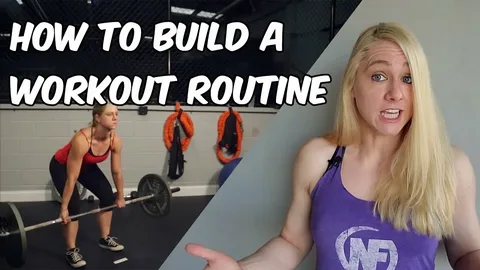
Why Consistency Matters More Than Intensity
Before diving into how to build a consistent fitness routine that works, it’s important to understand why consistency beats intensity every time.
Many beginners focus on:
-
Extreme workout programs
-
6-day-a-week training schedules
-
Rapid weight loss plans
-
Overly restrictive diets
These approaches may deliver short-term results but rarely last.
According to recommendations from the Centers for Disease Control and Prevention, adults should aim for at least 150 minutes of moderate-intensity activity per week. Notice the word consistent—not extreme.
Small, repeated actions build lasting habits. When exercise becomes part of your identity and daily rhythm, it no longer feels like a chore.
How to Build a Consistent Fitness Routine That Works (Step-by-Step)
This section breaks down exactly how to build a consistent fitness routine that works in real life.
1. Define Clear and Realistic Goals
One of the most searched Google terms is “how to lose weight fast.” While quick results are tempting, sustainable goals lead to sustainable habits.
Instead of vague goals like:
-
“Get fit”
-
“Lose weight”
-
“Build muscle”
Try SMART goals:
-
Lose 1–2 pounds per week
-
Work out 3 times weekly
-
Increase squat strength by 15% in 8 weeks
Clear goals give your workouts direction and measurable progress.
2. Choose Activities You Actually Enjoy
If you hate running, don’t force yourself to run.
Fitness options include:
-
Strength training
-
Walking or hiking
-
Cycling
-
Swimming
-
Yoga
-
Group fitness classes
-
Home workout programs
Enjoyment increases adherence. When workouts feel rewarding, you’re more likely to repeat them.
3. Start Small to Avoid Burnout
When learning how to build a consistent fitness routine that works, remember: starting small is powerful.
Begin with:
-
20–30 minutes per session
-
3 days per week
-
Moderate intensity
After 3–4 weeks, gradually increase frequency or intensity.
Consistency first. Progress second.
Building Habits That Stick
The Science of Habit Formation
Habits form through repetition and cues. Research suggests it takes approximately 21–66 days to build a stable habit.
To make exercise automatic:
-
Work out at the same time daily
-
Lay out your workout clothes in advance
-
Pair exercise with an existing habit (like morning coffee)
Routine reduces decision fatigue.
Use the “Minimum Effort Rule”
On low-motivation days, commit to just 5–10 minutes. Once you start moving, you’ll often continue.
The hardest part is starting—not finishing.

A consistent routine should include:
Cardiovascular Training
Improves heart health and endurance.
Examples:
-
Brisk walking
-
Running
-
Cycling
-
Rowing
Strength Training
Critical for:
-
Muscle growth
-
Fat loss
-
Bone density
-
Metabolism boost
Train major muscle groups 2–3 times per week.
Flexibility and Recovery
Include:
-
Stretching
-
Yoga
-
Mobility drills
Recovery prevents injury and improves performance.
How to Stay Motivated Long-Term
Even the best plan fails without motivation strategies.
Track Progress
Use:
-
Fitness apps
-
Smartwatches
-
Progress photos
-
Workout journals
Seeing improvement reinforces consistency.
Join a Community
Group classes or online communities provide accountability. Social support increases long-term adherence.
For additional physical activity guidelines, you can reference the World Health Organization physical activity recommendations (who.int).
Reward Yourself (Non-Food Rewards)
Examples:
-
New workout clothes
-
Fitness gear
-
A massage
-
A rest day
Positive reinforcement strengthens habits.
Common Mistakes When Building a Fitness Routine
1. Doing Too Much Too Soon
Overtraining leads to soreness, fatigue, and quitting.
2. Ignoring Recovery
Sleep, hydration, and rest days are crucial.
3. Comparing Yourself to Others
Your fitness journey is personal. Focus on progress, not perfection.
How to Build a Consistent Fitness Routine That Works for Busy Schedules
One of the most common first-page Google searches is “home workout for beginners.”
If you’re busy:
Try Short Workouts
-
20-minute HIIT sessions
-
Bodyweight circuits
-
Morning walks
Schedule Workouts Like Appointments
Block time in your calendar. Treat workouts as non-negotiable meetings.
Prepare in Advance
-
Pack gym clothes
-
Plan weekly workouts
-
Meal prep to save time
Preparation reduces excuses.
Nutrition: The Foundation of a Successful Routine
Exercise and nutrition work together.
Important related keywords people search:
-
Healthy meal plan for weight loss
-
High-protein diet benefits
-
How to lose belly fat
-
Muscle building diet plan
-
Calorie deficit explained
Fuel your body with:
-
Lean protein
-
Whole grains
-
Vegetables
-
Healthy fats
-
Plenty of water
Consistency in nutrition supports consistency in workouts.
Mental Benefits of a Consistent Fitness Routine
Learning how to build a consistent fitness routine that works isn’t just about physical transformation.
Regular exercise:
-
Reduces stress
-
Improves mood
-
Boosts confidence
-
Enhances focus
-
Improves sleep quality
Physical movement releases endorphins, which naturally elevate mood.
Many people report that fitness becomes their daily stress-management tool.
Adapting Your Routine as You Progress
Your body adapts. To avoid plateaus:
-
Increase weight gradually
-
Add new exercises
-
Adjust rep ranges
-
Change workout intensity
Progressive overload keeps results coming.
Sample Weekly Beginner Routine
Monday: Full-body strength training
Tuesday: 30-minute brisk walk
Wednesday: Rest or yoga
Thursday: Upper body strength
Friday: Cardio intervals
Saturday: Lower body strength
Sunday: Active recovery
This balanced approach helps build a consistent fitness routine that works without overwhelming beginners.
FAQs About How to Build a Consistent Fitness Routine That Works
1. How long does it take to build a consistent fitness habit?
It typically takes 3–8 weeks of regular repetition to form a strong exercise habit.
2. What is the best workout schedule for beginners?
Start with 3 days per week combining strength and cardio, then increase gradually.
3. How do I stay consistent when motivation drops?
Rely on routine, schedule workouts, and commit to short sessions on low-energy days.
4. Can I build muscle and lose fat at the same time?
Yes, especially beginners can achieve body recomposition with strength training and proper nutrition.
5. Is working out at home effective?
Absolutely. Home workouts can be highly effective with bodyweight exercises or resistance bands.
