

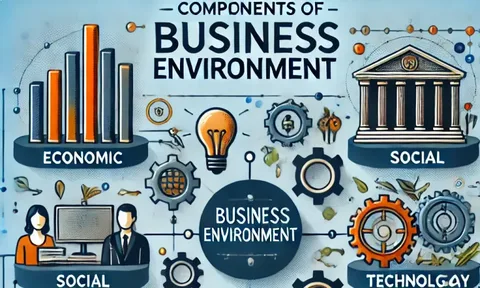
How Businesses adapt to Changing Economic Environments.
Understanding how businesses adapt to changing economic environments begins with recognizing that flexibility is no longer optional — it is essential.
1. Strategic Financial Management
During uncertain economic periods, cash flow becomes king. Businesses strengthen financial resilience by:
-
Reducing unnecessary overhead
-
Renegotiating supplier contracts
-
Building emergency cash reserves
-
Improving budgeting and forecasting
Many companies adopt zero-based budgeting during economic downturns to justify every expense. This ensures resources are allocated efficiently and waste is minimized.
Important Search Keywords:
-
economic downturn survival strategies
-
business financial resilience
-
cost-cutting strategies during recession
-
managing cash flow in uncertain times
2. Diversification of Revenue Streams
One of the most effective ways businesses adapt to changing economic environments is through diversification.
Companies reduce risk by:
-
Introducing new products or services
-
Expanding into new markets
-
Developing subscription-based revenue models
-
Partnering with complementary businesses
For example, restaurants that previously relied on dine-in customers pivoted to delivery and digital ordering during economic slowdowns.
Diversification reduces dependency on a single income source and improves stability.
3. Digital Transformation and Technology Adoption
Digital transformation plays a massive role in how businesses adapt to changing economic environments. Companies investing in automation, AI, and data analytics gain a competitive edge.
Key technology investments include:
-
Cloud computing
-
E-commerce platforms
-
Customer relationship management (CRM) systems
-
Data analytics tools
-
AI-driven forecasting models
Organizations that embrace digital innovation respond faster to market changes and improve operational efficiency.
Outbound Link Suggestion:
For deeper insights into digital transformation trends, link to a high-authority source like Harvard Business Review (https://hbr.org).
Adapting to Economic Change Through Innovation
Innovation drives resilience.
Product Innovation During Economic Shifts
When consumer spending changes, businesses must adapt offerings accordingly.
Examples include:
-
Budget-friendly product lines
-
Sustainable alternatives
-
Flexible payment options
-
Value-based pricing models
Listening to customer feedback helps businesses align products with evolving needs.
Business Model Innovation
Sometimes adaptation requires a complete transformation.
For example:
-
Brick-and-mortar retailers expanding online
-
Service providers offering hybrid solutions
-
Companies adopting subscription or SaaS models
Agile businesses treat change as opportunity rather than threat.
Workforce Adaptability and Organizational Agility
How businesses adapt to changing economic environments often depends on their people.
Building an Agile Workforce
An adaptable workforce includes:
-
Cross-trained employees
-
Remote work capabilities
-
Continuous learning programs
-
Leadership development initiatives
Companies that invest in employee development experience higher resilience and innovation.
Flexible Work Models
Remote and hybrid models reduce costs and improve productivity. Flexible scheduling also helps organizations retain top talent during uncertain times.
Search terms that rank on Google’s first page:
-
remote work benefits for businesses
-
workforce flexibility strategies
-
employee retention during recession
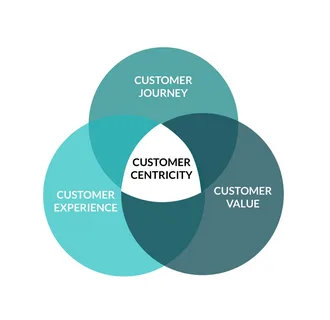
Customer-Centric Strategies in Economic Uncertainty
Customer behavior changes significantly during economic fluctuations.
Understanding Consumer Behavior
Businesses analyze:
-
Spending patterns
-
Market trends
-
Online engagement metrics
-
Customer feedback surveys
Data-driven decisions help companies adjust marketing and pricing strategies.
Strengthening Customer Relationships
Retention becomes more valuable than acquisition during downturns.
Effective tactics include:
-
Loyalty programs
-
Personalized communication
-
Exceptional customer service
-
Transparent pricing
Trust is a powerful competitive advantage.
Supply Chain Optimization
Global disruptions highlight the importance of supply chain resilience.
Diversifying Suppliers
Relying on one supplier increases vulnerability. Companies mitigate risks by:
-
Building local partnerships
-
Sourcing from multiple regions
-
Increasing inventory buffers strategically
Leveraging Technology in Logistics
AI-driven inventory management and predictive analytics reduce operational disruptions.
Search keywords:
-
supply chain risk management
-
supply chain resilience strategies
-
inventory management during economic crisis
Risk Management and Scenario Planning
Another key factor in how businesses adapt to changing economic environments is proactive planning.
Scenario Planning Techniques
Organizations prepare for:
-
Inflation spikes
-
Market contractions
-
Regulatory changes
-
Currency fluctuations
Scenario planning allows leaders to anticipate risks and respond quickly.
Building Crisis Management Teams
Dedicated crisis teams ensure swift decision-making and clear communication during emergencies.
Strong leadership is crucial in uncertain times.
Real-World Examples of Business Adaptation
Netflix’s Shift to Streaming
Netflix transitioned from DVD rentals to streaming, adapting to technological change and consumer demand. This shift positioned the company as a global leader in digital entertainment.
Restaurants Adopting Delivery Platforms
During economic slowdowns, restaurants expanded delivery and curbside pickup services to maintain revenue streams.
Retailers Embracing E-Commerce
Traditional retailers invested heavily in online platforms to compete in digital markets.
These examples illustrate how businesses adapt to changing economic environments by anticipating trends and acting decisively.
The Role of Data in Economic Adaptation
Data-driven decision-making allows businesses to:
-
Identify emerging trends
-
Optimize pricing strategies
-
Forecast demand
-
Reduce operational inefficiencies
Analytics tools empower organizations to stay ahead of economic shifts.
Search-friendly keywords:
-
data-driven business strategy
-
predictive analytics for business
-
market trend analysis tools
Sustainability as a Competitive Advantage
Consumers increasingly favor environmentally responsible companies.
Sustainability initiatives include:
-
Reducing carbon footprints
-
Ethical sourcing
-
Waste reduction
-
Energy efficiency investments
Long-term sustainability also reduces operational costs.
Key Takeaways: How Businesses Adapt to Changing Economic Environments
To summarize, successful adaptation requires:
-
Financial discipline
-
Innovation and diversification
-
Digital transformation
-
Workforce agility
-
Customer-centric focus
-
Supply chain resilience
-
Risk management planning
Businesses that proactively implement these strategies outperform competitors during economic turbulence.
Frequently Asked Questions (FAQs)
1. Why is adaptability important in business?
Adaptability allows businesses to respond quickly to market shifts, minimize losses, and seize new opportunities during economic change.
2. How can small businesses adapt to economic downturns?
Small businesses can reduce expenses, diversify revenue streams, improve digital presence, and focus on customer retention.
3. What role does technology play in economic adaptation?
Technology improves efficiency, enhances customer engagement, and enables data-driven decision-making.
4. How do companies maintain profitability during recessions?
By controlling costs, optimizing operations, offering value-driven products, and strengthening customer loyalty.
5. What industries adapt best to economic change?
Technology, healthcare, and essential services industries often adapt quickly due to innovation and consistent demand.
