

Business Planning and Management for Long-Term Success is not just a corporate buzzword—it’s the foundation of every thriving organization. Whether you’re launching a startup, scaling a mid-sized company, or restructuring an established enterprise, a clear business plan combined with strategic management determines your future trajectory.
Many businesses fail not because of poor products, but because of poor planning, weak execution, and a lack of long-term vision. Sustainable companies understand that growth requires structure, systems, forecasting, and continuous adaptation.
What Is Business Planning and Management for Long-Term Success?
Business planning and management is the strategic process of defining a company’s direction, allocating resources effectively, setting measurable goals, and ensuring long-term sustainability.
It includes:
-
Strategic planning
-
Financial forecasting
-
Risk assessment
-
Performance management
-
Operational planning
-
Leadership development
-
Market analysis
When combined properly, these elements create a roadmap that supports consistent growth, adaptability, and profitability.
Why Business Planning and Management for Long-Term Success Matters
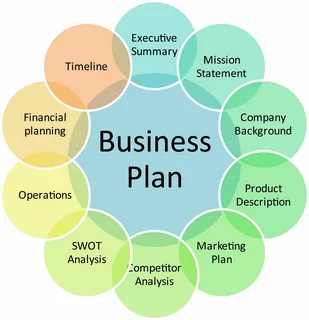
Organizations that prioritize Business Planning and Management for Long-Term Success experience:
-
Higher profitability
-
Improved decision-making
-
Stronger competitive advantage
-
Reduced operational risks
-
Better team alignment
-
Sustainable revenue growth
Without structured planning, businesses operate reactively. Long-term success demands proactive leadership.
According to insights published by the Harvard Business Review, companies with clear strategic frameworks outperform competitors in both profitability and resilience.
Core Pillars of Business Planning and Management for Long-Term Success
1. Strategic Vision and Mission Alignment
A strong business strategy starts with clarity:
-
What problem are you solving?
-
Who is your target audience?
-
Where do you want to be in 5–10 years?
Your vision must guide every decision. Companies that lack strategic alignment often waste resources on initiatives that don’t support long-term growth.
2. Comprehensive Market Research and Competitive Analysis
Understanding market demand is crucial. Conduct:
-
SWOT analysis (Strengths, Weaknesses, Opportunities, Threats)
-
Industry trend evaluation
-
Customer behavior analysis
-
Competitor benchmarking
Tools like market research frameworks from the U.S. Small Business Administration can help structure your planning process.
3. Financial Planning and Cash Flow Management
Financial stability is the backbone of Business Planning and Management for Long-Term Success.
Key financial strategies include:
-
Revenue forecasting
-
Expense tracking
-
Break-even analysis
-
Capital budgeting
-
Investment planning
-
Emergency reserves
Strong financial forecasting reduces uncertainty and improves investor confidence.
4. Operational Efficiency and Process Optimization
Efficiency increases profitability without increasing costs.
Focus on:
-
Workflow automation
-
Performance metrics (KPIs)
-
Standard operating procedures (SOPs)
-
Lean management techniques
Companies using performance measurement systems consistently achieve better long-term operational stability.
5. Risk Management and Crisis Planning
Every successful business prepares for uncertainty.
Risk management includes:
-
Identifying potential threats
-
Developing contingency plans
-
Insurance coverage
-
Compliance monitoring
-
Cybersecurity planning
Proactive risk management protects brand reputation and financial health.
Strategic Planning Frameworks That Support Long-Term Success
SWOT Analysis
Helps identify internal strengths and weaknesses while analyzing external opportunities and threats.
PESTLE Analysis
Examines:
-
Political
-
Economic
-
Social
-
Technological
-
Legal
-
Environmental factors
Balanced Scorecard
Aligns business activities with strategy while tracking measurable objectives.
These frameworks strengthen Business Planning and Management for Long-Term Success by turning vision into measurable action.
Leadership and Organizational Culture in Long-Term Management
Strong leadership is essential for sustained growth.
Effective leaders:
-
Communicate clear goals
-
Empower employees
-
Encourage innovation
-
Foster accountability
-
Build resilient company culture
Organizations that prioritize leadership development outperform competitors in both employee retention and innovation.
Digital Transformation and Long-Term Business Strategy
Modern Business Planning and Management for Long-Term Success requires digital integration.
Businesses must leverage:
-
Cloud computing
-
Data analytics
-
CRM systems
-
Automation software
-
AI-driven forecasting tools
Digital transformation increases operational speed and improves customer experience.
Performance Measurement and Continuous Improvement
Long-term success depends on monitoring progress.
Track:
-
Revenue growth rate
-
Customer acquisition cost
-
Profit margins
-
Employee productivity
-
Customer retention rate
Review performance quarterly and adjust strategy accordingly.
Continuous improvement creates competitive advantage.
Sustainability and Corporate Responsibility
Today’s consumers value ethical businesses.
Long-term planning should include:
-
Environmental sustainability
-
Ethical sourcing
-
Corporate social responsibility
-
Transparent governance
Companies committed to sustainability often enjoy stronger brand loyalty and long-term profitability.
Common Mistakes in Business Planning and Management
Avoid these pitfalls:
-
Lack of written strategy
-
Ignoring market research
-
Poor financial controls
-
Overexpansion without capital
-
Weak leadership communication
-
Failure to adapt to market changes
Learning from these mistakes strengthens your Business Planning and Management for Long-Term Success.
Important Keywords People Search on Google (First Page Related Terms)
To strengthen SEO and topic relevance, consider incorporating these high-ranking related keywords:
-
Strategic business planning
-
Long-term business growth strategies
-
Business management strategies
-
Sustainable business development
-
Financial planning for businesses
-
Risk management in business
-
Business growth roadmap
-
Operational efficiency strategies
-
Corporate strategic planning
-
Leadership development in business
Practical Step-by-Step Guide to Long-Term Business Planning
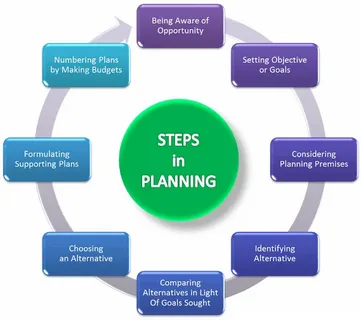
Step 1: Define Long-Term Objectives
Set 3–10 year goals.
Step 2: Break Down Into Measurable Milestones
Create quarterly and annual targets.
Step 3: Allocate Resources Strategically
Budget capital, personnel, and time effectively.
Step 4: Develop Accountability Systems
Assign responsibilities clearly.
Step 5: Review and Optimize
Revisit strategy regularly and adapt to market changes.
